Prof. Anniek de Ruijter part of The Lancet Group Commission on the European Health Union
21 May 2026
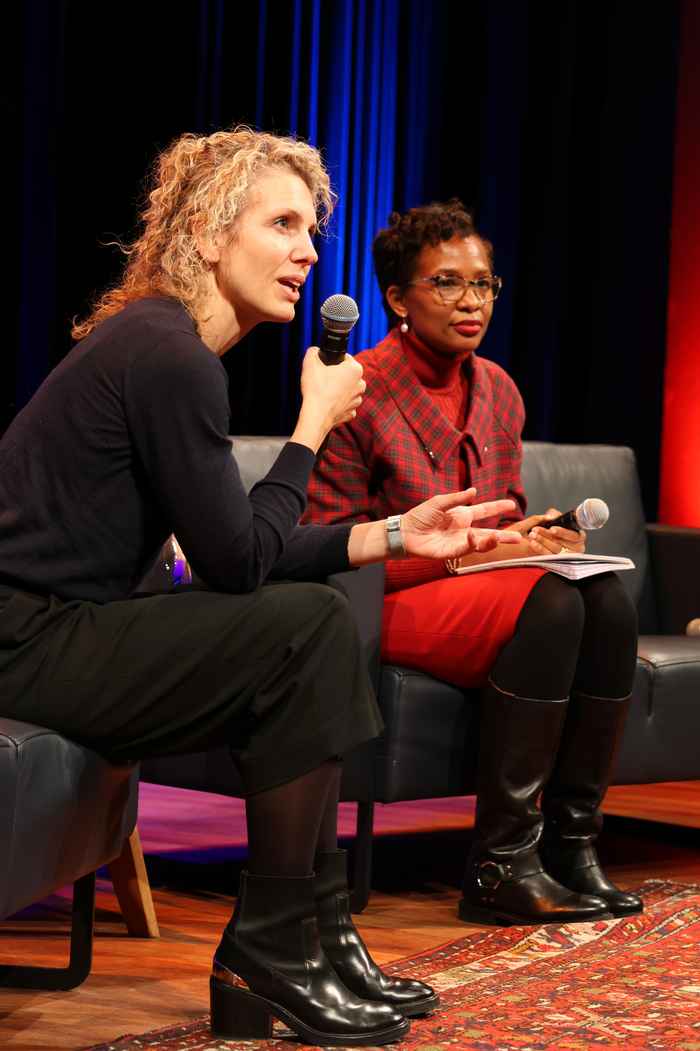
Taking part in initiatives such as the Lancet Commission on the European Health Union is important because they create opportunities to share knowledge and contribute to key policy discussions. Such involvement supports evidence-based decision-making, staying updated on developments in European health policy, and strengthening collaboration between research, healthcare, and policymakers.
The European Health Union is a policy framework that was adopted in the European Union after the COVID-19 pandemic, that holds a suite of health regulation in various fields such as infectious diseases, health data, (critical) medicines, cancer policy.

We ask: what should a European Health Union look like, not only in deepening integration within Europe, but also in shaping the EU's role for people's health globally?
The commission
The Lancet Commission on the European Health Union is formed by 23 Commissioners from 15 countries, with expertise spanning health policy, health economics, clinical practice, public health, data science, global health governance, and law and ethics.
The aim of the Commission is to support the development of a stronger, more coordinated, and forward-looking European health policy. The Commission wants to move away from the current reactive approach, where health policies are often only created after crises such as pandemics occur. Instead, it promotes a long-term strategy based on cooperation, solidarity, and preparedness across EU member states. The Commission will explore how deeper European cooperation in health can improve public health, reduce inequalities, strengthen healthcare systems, increase resilience against future crises, and support Europe’s global leadership in health. It also aims to provide concrete policy recommendations to help build a more united and effective European Health Union.